Tuesday, 21 February 2012

Going retro

I shouldn't like you to go thinking that all the technology here is glitch-free (!) so take a look at the flashy front door with its triple glazing and seals:

The inner and outer porch doors came with these round door knobs that were for pulling but not turning (why does this make me think of that Thatcher speech?!) but what we found was that if you didn't have your wits about you you bashed your hand on the metal door-frame which was extremely unpleasant.

The solution was to replace these knobs with a lever handle and yesterday someone came out to do that but, alas, somehow changing the handle stopped the key turning in the lock. After spending the night with an unlocked porch we have come up with a very eco solution and here it is ..................................


Until the door manufacturers (I kid you not) can come out later this week we have added this more rugged feature to our futuristic house.


You've got to be resourceful in this game.

Thursday, 16 February 2012

Sun and air

Here's a very flash photo courtesy of the diocesan surveyor for you:

It was taken during the build when we had blue skies and sunshine and someone on site tall enough to open the roof windows (not me, they are so high up I get vertigo if I try).

Being a bit new to this malarkey, and a bit chary about massive energy bills, we've been monitoring our energy usage fairly closely since we moved in and we're beginning to get a bit of a feel for how our consumption is going.

Now if you are an expert in all things green this will be like grandmothers and eggs to you so just feel smug/exasperated at my idiocy and move on but, just in case you're not, here's what we've learned so far:
  1. We have a generator meter that shows what we're generating
  2. You don't need sunshine to generate electricity, just daylight because it's the sun's energy that makes the panels work
  3. Having said that, around mid-winter when the sun is lowest in the sky our panels only generated electricity on days when the sun actually shone on them
  4. Now the sun is higher in the sky, and the days are a bit longer, we can generate some energy even when the sun doesn't shine
  5. And it doesn't shine very much in this bit of the West Midlands in winter so that's fortunate
  6. I wish I'd been taught more physics but this site is useful for novices
By monitoring our energy usage and keeping a record of the external temperatures and amount of sunshine we've ended up discovering the obvious* about energy usage in the house. On sunny days the sun through the large south facing windows means that the rooms get warmer, we use less extra heating and we generate electricity so our overall consumption is lower. On grey days the opposite happens.

Normally there's a 1 degree difference in the temperature as you go up through the house so the ground floor is on 18, the middle 19 and the top 20 but the weather this house likes least is grey windy days as this reduces the temperature on the top floor of the house. I'm not sure if that's supposed to happen but, at the moment, it looks like it does.

The house has been designed to run at 20 degrees but as the thermostat is on the ground floor 20 degrees at the thermostat means 22 degrees on the top floor and we are finding that's far too hot for bedrooms. There was much discussion at the end of the build about the location of the thermostat as it's just by the front door and therefore subject to blasts of air from the porch when the door opens. It was suggested that it should be moved to the middle floor where temperatures are more constant and on reflection that should have happened but the discussion was just before we moved in so the thermostat hasn't moved. I'm not sure if the house will keep its temperature differentials once the fabric has warmed up and I'd be interested to know how (ie: in what direction) the house warms up so I will have to ask one of our expert visitors when they come.

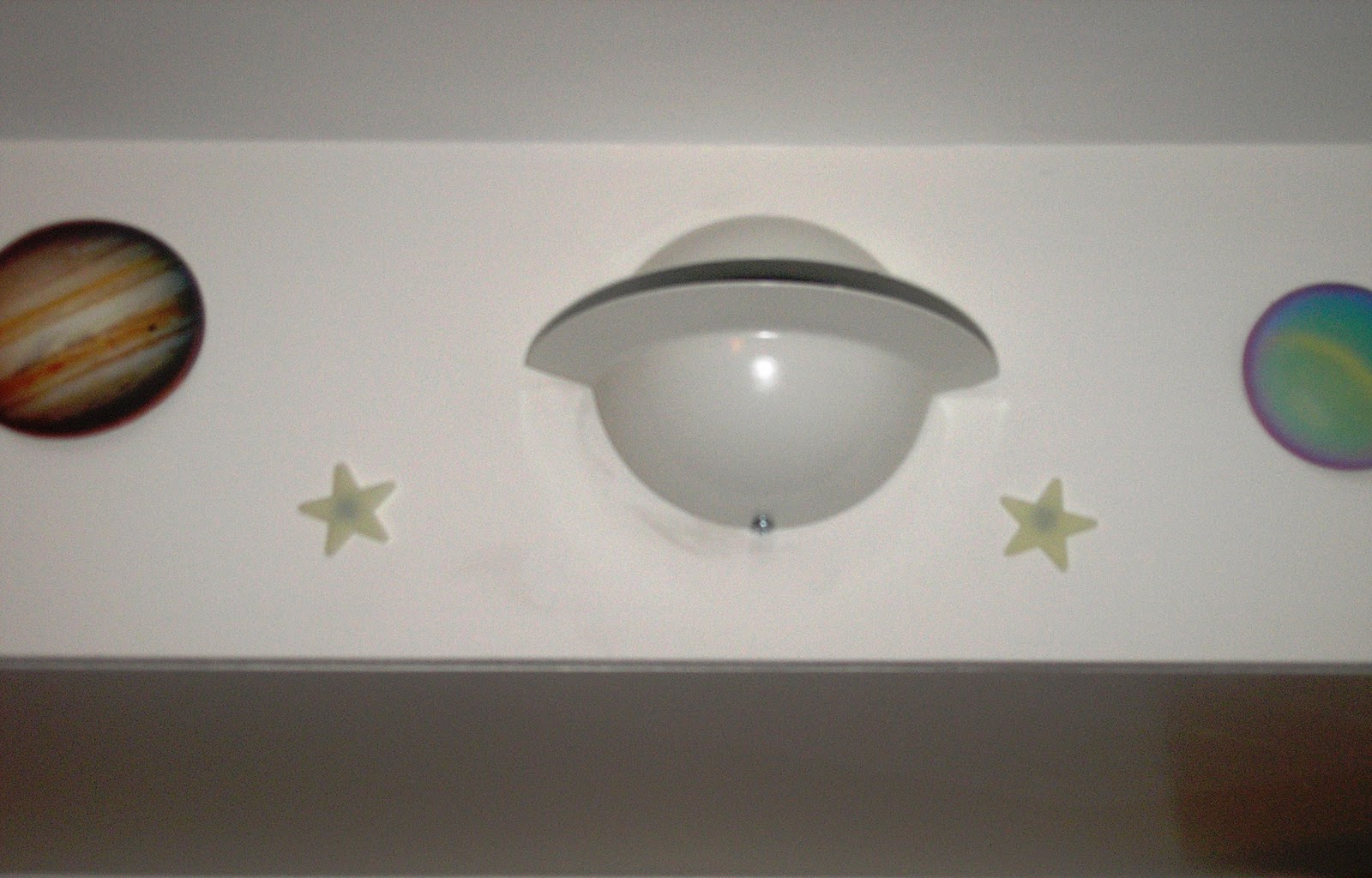
As you see, the key thing about this house is that you need to work with it as it's very much an organic entity. This is not a normal way to have to consider your house is it? I refer you to the Ultrahouse in The Simpsons. Anyway, I'm finally understanding how the ventilation system works and if you look back to the previous post with the little Saturns sticking out of the walls you'll see how the warm air enters the rooms. What I forgot to write was that it exits the rooms under the doors where there is a 5mm gap** and this is balanced out by the angle and opening of the Saturn so the air doesn't enter or leave too quickly or hang around too long. Overall it takes just over two hours for the house to change its air so the air quality is excellent. The final thing to note is that if you want to keep a room warm then you keep the door closed because the northern corridor doesn't have any vents, which means that if your door has a bigger than 5mm gap (on account of being open) all the warm air rushes out into the chilly corridor rather than reaching you as you sit at your laptop....

... so I'll get up and sort that then!


 __________________________________
* It may be obvious, but it's a lot better than being surprised by the data
**As a tetchy aside I would like to point out that 5mm seems to also be the diameter of a vacuum cleaner cable so I spend a considerable amount of time extracting the latter from under doors when cleaning, but expect the house will train me eventually.

Saturday, 14 January 2012

Catch up

It's two months today since we moved in and a month since the last time I posted so I thought I'd do an update on how things are going with the house. It's not a particularly scientific review, more a recap of the key things that strike me after a few weeks here and which of the many aspects of the house are working best.

These two gizmos mark the points at which the big steel ventilation tubes enter the rooms. 


The one on the left covers the opening of all the pipes that extract the air and these are found in the bathrooms, the utility room and the kitchen. The one on the right brings air into the other rooms (the kitsch but educational planet stickers are optional, we got ours from the National Space Centre in Leicester). One of the big things we've noticed about the house is the quality of the air but it's proving really difficult to express how it differs from a 'normal' (as opposed to 'air-tight') house. I'd half expected an air-tight house to have stale air but it really doesn't, it's just clean. If you walked into our old house on a cold day you were immediately assailed by a wave of hot air; if you walk in here you just notice that the house is warm, rather like being outdoors on a sunny day. I'd expected that we would need to use a tumble drier to dry washing as there are no radiators in the house but, in fact, washing dries quicker than before and is softer (in the early days we even caught ourselves commenting on this, like some moronic advert). The negatives of this are that fruit in the fruit bowl dries out quickly too and we've had to invest in more lip balm.

This is the control panel for the fans that move the air round the house. They have three speed options and we have them set to 2 during the day and speed 1 at night. Apparently if we have a lot of people round we will need to up the speed to 3 or ask visitors to bring their own oxygen (the adviser may have been joking here). We've also got 'boost' buttons to run them at 3 for 15 minute bursts if we need extra fresh air. One thing that I have noticed is that you would not want to be a smoker in a house like this: if you burn candles and then extinguish them you have to open a door to disperse the carbon dioxide as you can feel the air quality deteriorate so goodness knows what cigarette smoke would do.

Next to the fan controls we also have the thermostat. The house is designed to run at 20 degrees but at the moment it's happily maintaining 18 on the ground floor, 19 on the middle floor and 20 on the top floor come rain or shine. The weather it hates, though, is wind and when it was windy the temperatures dropped by 1 degree on two top floors. When we first moved in we set the thermostat to 20 but found the top floors too hot if you were moving around. We're also finding that getting the heating to reach just 19 uses a phenomenal amount of electricity as the house needs to dry out from the build so we're feeling our way in how to solve this. We have just been adding extra heat in the rooms we want to sit in and not upping the thermostat but this week we're experimenting with heating the whole house again and seeing whether, after two months of being lived in, the system uses less electricity.

 Here's the display for the solar thermal, reading 22 degrees on the tubes and 42 in the tank and nothing in kWh. Apparently we have the wrong sort of water tank at the moment so that's got to be replaced....
 imagine my delight. We are finding that the tank is enough for washing up and two showers without needing to have the water reheated but whether that will change when it's replaced I don't know.

And on the subject of water, the rainwater harvester has failed us 3 times so we've switched to mains to flush the loos. There are limits to being eco pioneers.

And the final thing to mention is the concrete floors with the recycled glass on top. It looks very flash and the Picasso finish doesn't show any dirt at all (top choice for a kitchen, purely by chance!) but, my goodness, if you drop anything on it you've had it as there is no bounce at all. We've used more araldite since moving in than we've used in years!

Wednesday, 14 December 2011

When icicles hang by the wall

In our previous house you knew only too well when it was frosty outside. This morning I blithely stepped out and was taken by surprise by the frozen pavements because this house really does seem to maintain its temperature pretty well. The weather the rehau doesn't like is wind and we're noticing that even if the internal temperature drops by 1 degree and forces the top-up heating to come on we are tending to use three times the amount of electricity we use on days when it doesn't start up. Hopefully that will sort itself out once the fabric of the house is warmed up(?).

In the meantime here's more proof that the insulation works with a picture of our roof, the only place the ice is melting is where the air is expelled from the vents on the 'chimney':

And the reason why we need a chimney should be obvious at this time of year....  though I hope the reindeer are sure-footed enough to cope with the roof angles.

Monday, 12 December 2011

Sun = good

This morning the sun is shining which is GOOD. It's not just good because it cheers the world up but because on a sunny day, even in December, we generate nearly as much electricity as we use. Yesterday it tipped down with rain throughout the daylight hours and we didn't generate any electricity (well, none that we could record) and used loads. At the moment we seem to be using vast amounts and we're assuming it's the heating system warming the fabric of the house (thermal mass of concrete was mentioned but my ears glazed over at that point). I hope that's what it is because living in an eco house and using more electricity than you did before doesn't make sense, although it's in keeping with the politican's joke about the UK having the greenest government ever (just google the phrase).

Looking back from the porch here's a picture of what I was doing over the weekend:


I have been planting a winter garden at the front of the house with the advice of a very nice man from Ashwoods, our local nursery and a lot of inspiration from the wonderful National Trust garden at Anglesey Abbey (although minus the Rubus cockburnianus which takes the word invasive to a whole new level!). Readers who know me will understand just how blissful it was to be taking plants out of pots (where they've sat for 4 years) and planting them during a blizzard whilst listening to John Rutter on the mp3 player.

Out in the back garden I've started planting up too but I will finish that over Christmas or when the trees have been planted (we're getting a load to replace the trees that had to be cleared for the build). I just wanted to post this picture which shows the rehau tower in all its glory. I think you'll agree it's something I've got to work with rather than ignore!
 

Monday, 5 December 2011

Blimey, it works!

You have to zoom in on the picture to get the full effect of it but this is one of the windows on the top floor when we opened the blind this morning. One of the bedrooms has got a duff blind at the moment and some heat still escaped through the triple glazing and the glass was clear. The blind on this window was down so no heat escaped and this is the pattern of frost outside to prove it.

And you know the best bit? We haven't had any heating on in the house for the past three days apart from a bit of additional heat in the sitting room because all the insulation has kept the temperature steady at 19°.

I know I shouldn't really be surprised this bit works ..... but I am!

Saturday, 3 December 2011

Flushed with success


The problem with being an eco-pioneer (she wrote with tongue firmly in cheek) is that sometimes you are more like a guinea pig testing out the system for those who follow and 7am this morning was a case in point.

Back in August when this gizmo was installed, I pondered what would happen if the rainwater harvester ran out of water. When it first arrived I had been told that the system automatically switched over to mains water when water levels started to go down but this morning that most definitely did not happen. We woke up to find that none of the loos filled after they were flushed and once we'd wrenched off the panels covering the service duct you could see the lights on the right of the control unit were flashing on and off whilst the 'tank low' light was showing orange.

Fortunately for us, even though it was a Saturday, our wonderful erstwhile site manager was on site by 8.30 and he took the manhole cover off the harvester and refilled it from a hose pipe. As it filled the gague started to move from 30% to 100% full and we were able to flush the loos again, but the lights on the right kept flashing alarmingly. Everyone stood around wondering why it was doing that as the system now seemed to be working and then inspiration struck. Just above the unit is a control switch so I said why didn't we just switch it off and switch it on again....

..... and that, dear readers, is how we rebooted the system. All those years in systems support coming in handy at last!

Mind you, I'm still expecting the experts in on Monday to check the system's working properly.